

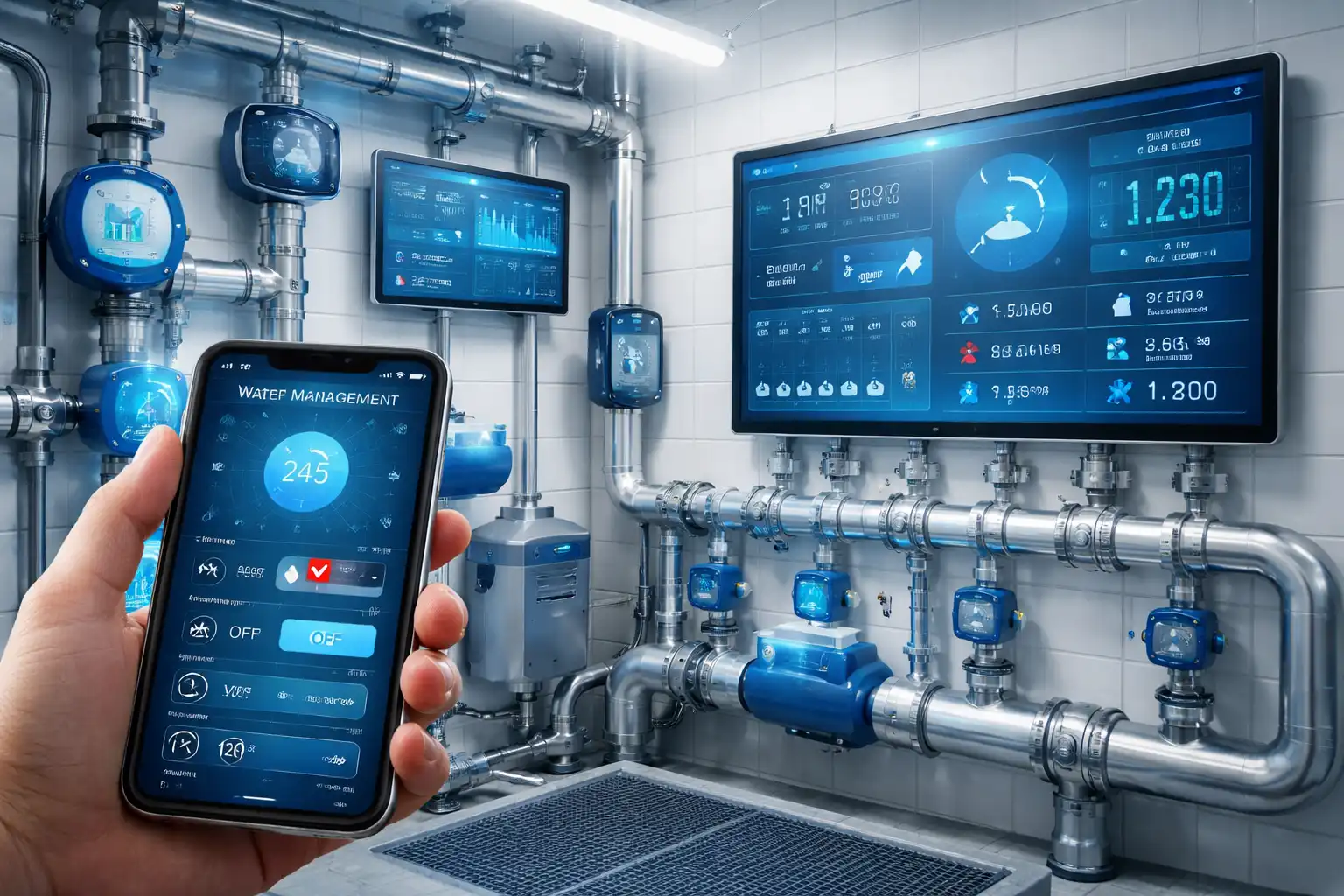
Explore how smart plumbing systems are transforming buildings through automation, leak detection, water monitoring, efficiency, and future-ready infrastructure solutions.
Explore how smart plumbing systems are transforming buildings through automation, leak detection, water monitoring, efficiency, and future-ready infrastructure solutions.
The plumbing industry is entering a new era. What was once seen mainly as a network of pipes, fittings, valves, and fixtures is now becoming an intelligent, connected, and highly efficient system that can monitor performance, detect issues early, reduce waste, and support smarter building operations. This transformation is being driven by the rise of smart plumbing systems.
Smart plumbing systems combine traditional plumbing infrastructure with digital monitoring, automation, sensors, and data-based control. These systems help improve water efficiency, reduce maintenance risks, support sustainability goals, and give building owners and facility teams better visibility into how water is being used. As buildings become more connected and performance-driven, smart plumbing is no longer a futuristic concept. It is a practical and increasingly valuable solution for modern infrastructure.
For plumbing professionals, this shift represents a major opportunity. It expands the role of plumbing from installation and maintenance into intelligent resource management, preventive care, and integrated building performance. For clients and facility operators, it offers greater control, better efficiency, and long-term operational benefits.
What Are Smart Plumbing Systems?
A smart plumbing system is a plumbing setup enhanced with connected devices, sensors, controls, and monitoring tools that allow real-time tracking and improved management of water systems. These systems can be used in residential, commercial, institutional, hospitality, and industrial buildings depending on the scale and complexity of the project.
Rather than waiting for visible problems such as leaks, overflow, pressure issues, or excessive water use, smart plumbing systems are designed to identify irregularities early and support more proactive action.
A smart plumbing system may include:
- Water flow sensors
- Leak detection devices
- Smart meters
- Pressure monitoring systems
- Tank level sensors
- Automated shut-off valves
- Usage analytics dashboards
- Fixture performance monitoring
- Integrated building management connectivity
These technologies allow plumbing systems to become more responsive, measurable, and efficient.
Why Smart Plumbing Matters Today
The need for smarter plumbing solutions is growing because buildings are under increasing pressure to perform better in every way. Water costs are rising, sustainability expectations are stronger, infrastructure is becoming more complex, and users expect reliability and convenience.
Traditional plumbing systems can work well, but they often depend on reactive maintenance. Problems are discovered only after they become noticeable, and valuable water may already be lost by the time action is taken. Smart plumbing changes this approach by introducing visibility and control.
Smart plumbing matters because it helps address:
- Water wastage
- Hidden leaks
- High operating costs
- Delayed maintenance response
- Inconsistent system performance
- Limited usage visibility
- Sustainability and compliance targets
It also aligns with the broader shift toward smart buildings, where different systems are increasingly expected to communicate and support centralized facility management.
1. Real-Time Leak Detection
One of the most valuable features of smart plumbing systems is leak detection. Water leaks are one of the most common and costly plumbing issues in buildings. Small hidden leaks can continue for weeks or months before anyone notices them, resulting in water loss, damage to interiors, mold growth, and unnecessary repair costs.
Smart leak detection devices can identify unusual flow patterns, moisture presence, or pressure drops and send alerts before major damage occurs.
Benefits of smart leak detection
- Faster problem identification
- Lower water loss
- Reduced risk of structural damage
- Better maintenance response
- Lower long-term repair costs
In homes, offices, hotels, hospitals, and commercial complexes, this feature alone can make smart plumbing a worthwhile investment.
2. Water Usage Monitoring and Analytics
Smart plumbing systems allow building operators to understand how water is being consumed. This is a major shift from conventional systems, where water use is often tracked only through monthly bills or manual meter readings.
With smart meters and connected monitoring tools, it becomes possible to track:
- Total water consumption
- Zone-wise usage patterns
- Peak usage times
- Unusual spikes in demand
- Fixture-level performance in some setups
- Historical trends for analysis
This information helps users and facility teams make better decisions. They can identify wastage, compare performance over time, and target improvement areas more accurately.
Why this matters
When water use becomes visible, water efficiency becomes easier to manage. Smart analytics support accountability, budgeting, conservation planning, and sustainability reporting.
3. Automated Shut-Off and Control Systems
Another major advantage of smart plumbing is automation. In certain scenarios, the system can do more than just issue an alert. It can take action.
For example, if a major leak is detected, an automated shut-off valve can stop the water supply to prevent further damage. In some systems, controls can also support pressure balancing, timed operation, or remote access to specific functions.
Practical applications
- Emergency leak response
- Remote water control in unoccupied spaces
- Overflow prevention in tanks
- Controlled irrigation supply
- Scheduled water management in large facilities
Automation adds a strong layer of safety and operational convenience, especially in buildings where quick manual intervention may not always be possible.
4. Improved Water Efficiency
Smart plumbing systems directly support water conservation. By detecting losses, monitoring use, and improving system control, they reduce waste in ways that traditional systems often cannot.
Efficiency gains may come from:
- Early leak detection
- Better pressure management
- Timed or sensor-based fixture operation
- Reduced overflow incidents
- Usage-based maintenance decisions
- Smarter water distribution planning
This is especially important in areas facing water stress or in projects where sustainability performance is a high priority.
For green buildings and environmentally conscious developments, smart plumbing can play a meaningful role in meeting water-related goals.
5. Better Maintenance Through Preventive Monitoring
Traditional plumbing maintenance is often reactive. A complaint is received, a failure becomes visible, or a system stops working properly. Smart plumbing encourages a preventive model instead.
By using sensors and tracking data over time, maintenance teams can identify warning signs earlier. This may include pressure irregularities, unusual flow behavior, recurring tank level issues, or fixture underperformance.
Maintenance benefits
- Less emergency repair work
- Better planning of service schedules
- Reduced downtime
- Longer system life
- Improved reliability for occupants and users
Preventive monitoring is especially useful in hospitals, hotels, schools, malls, office complexes, and large residential projects where uninterrupted water services are essential.
6. Support for Smart Buildings and Integrated Infrastructure
Modern buildings increasingly rely on integrated systems. HVAC, lighting, security, energy monitoring, and access control are already part of smart building strategies. Plumbing is now joining that ecosystem.
Smart plumbing systems can contribute to integrated building management by sharing data and alerts with centralized platforms. This allows facility managers to see water-related issues alongside other building functions and respond more efficiently.
Value in integrated environments
- Centralized monitoring
- Faster operational decision-making
- Better reporting and compliance tracking
- Improved coordination between departments
- More efficient building performance management
As smart cities and smart buildings continue to expand, plumbing will become an increasingly important part of connected infrastructure.
7. Applications Across Building Types
Smart plumbing is not limited to one type of property. Its applications can be adapted to different environments based on need, budget, and complexity.
Residential buildings
- Leak alerts for apartments and homes
- Smart water meters
- Tank overflow prevention
- Remote shut-off options
Commercial buildings
- Zone-based monitoring
- Pressure tracking
- High-usage analysis
- Maintenance alerts for facilities teams
Hotels and hospitality projects
- Guest room leak prevention
- Hot water system monitoring
- Water use tracking across service areas
- Better maintenance control
Hospitals and institutions
- Reliable monitoring in critical service zones
- Early issue identification
- Reduced interruption risk
- Better hygiene and operational control
Industrial and large campuses
- Centralized water management
- High-volume monitoring
- Utility optimization
- System-wide data insights
This flexibility makes smart plumbing relevant across a wide range of projects.
8. Challenges in Adopting Smart Plumbing Systems
Like any modern technology, smart plumbing also comes with challenges. Adoption depends on awareness, project priorities, and technical readiness.
Some of the common barriers include:
- Higher initial investment compared to conventional systems
- Lack of awareness among clients or contractors
- Need for technical coordination during design and installation
- Concerns around maintenance of digital components
- Limited familiarity with data-based facility management
However, many of these concerns can be addressed through proper planning and by focusing on lifecycle value rather than only initial cost. In many cases, the savings from reduced water loss, fewer emergency repairs, and better efficiency help justify the investment over time.
9. Skills Required for the Future of Plumbing
As smart plumbing grows, the skills expected from plumbing professionals are also evolving. Traditional plumbing fundamentals remain essential, but future-ready professionals may also need to understand:
- Sensor-based devices
- Digital monitoring tools
- Smart control integration
- Data interpretation for water performance
- Automated valves and connected components
- Coordination with electrical and building automation systems
This does not mean every plumber must become a software expert. It means the profession is expanding, and professionals who stay updated will have stronger opportunities in the future.
Training, exposure, and technical workshops will become increasingly important in preparing the workforce for this shift.
10. Sustainability and the Future of Smart Plumbing
Smart plumbing is closely connected to sustainability. Water scarcity, rising utility costs, and environmental concerns are pushing the industry toward better resource management. Smart systems support this by helping buildings use water more responsibly and efficiently.
In the coming years, smart plumbing is likely to become more common in projects that focus on:
- Green building goals
- ESG and sustainability reporting
- Water conservation targets
- Digitally managed facilities
- High-performance infrastructure
As technologies become more accessible and awareness improves, smart plumbing may gradually move from being a premium feature to a standard expectation in many projects.
Why the Future Is Already Here
The phrase “the future is here” fits smart plumbing because many of these solutions are no longer experimental. They are already being used in modern developments around the world. Leak sensors, automated shut-off valves, smart meters, and connected monitoring platforms are practical tools that are delivering measurable value today.
What is changing now is not only the technology itself, but the mindset around plumbing. The industry is beginning to see plumbing as an active, intelligent system rather than a passive utility. That is a major shift, and it opens the door to better performance across the built environment.
The Role of Professional Associations and Industry Bodies
Professional organizations such as the Indian Plumbing Association and regional chapters like IPA Lucknow can help accelerate the adoption of smart plumbing by:
- Organizing technical awareness sessions
- Showcasing new technologies
- Encouraging industry training
- Promoting best practices in modern plumbing design
- Connecting members with manufacturers and solution providers
These efforts can help professionals prepare for a more digital and performance-driven industry.
Conclusion
Smart plumbing systems are changing the future of water management in buildings, and that future has already begun. From leak detection and usage monitoring to automation, preventive maintenance, and integrated building control, smart plumbing offers clear benefits for efficiency, safety, sustainability, and long-term performance.
For plumbing professionals, this is an opportunity to grow beyond conventional roles and become part of a more advanced infrastructure ecosystem. For clients and building operators, it is a practical way to reduce waste, improve system reliability, and manage water more intelligently.
The future of plumbing will not be defined only by better materials or faster installation. It will also be shaped by data, connectivity, automation, and smarter decision-making. Smart plumbing systems are not replacing the fundamentals of plumbing. They are strengthening them for a new era.